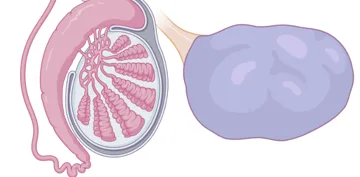
Do you always feel like your “battery is flat”? Tiredness has many causes, but sometimes it can be a lack of testosterone. This is called male hypogonadism, and it happens when the testes do not produce enough testosterone.
Two types, depending on the source
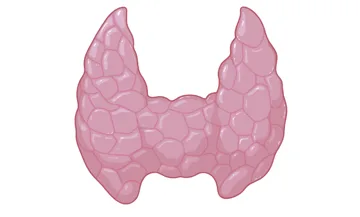
Testosterone production depends on a chain of command. The pituitary gland, in the brain, releases two hormones: LH, which stimulates the testes to produce testosterone, and FSH, which stimulates sperm production.
- Primary hypogonadism: the problem lies in the testes. The pituitary tries to compensate, so LH and FSH are high.
- Secondary hypogonadism: the problem lies in the command centre (pituitary or hypothalamus). LH and FSH are low or inappropriately normal.
Most common causes
In primary hypogonadism: Klinefelter syndrome, orchitis (inflammation of the testis), chemotherapy or radiotherapy, injury, testicular torsion or surgery.
In secondary hypogonadism: obesity and type 2 diabetes (a functional form that can improve with weight loss), opioids, corticosteroids, anabolic steroids, pituitary tumours or prolactinoma. More rarely, Kallmann syndrome, head injury or haemochromatosis (iron overload).
What symptoms does it cause?
The most suggestive symptoms are sexual: reduced sex drive, fewer spontaneous erections and erectile dysfunction. Tiredness, loss of muscle mass, increased body fat and mood changes can also occur, but these symptoms are less specific and have many other causes.
How the diagnosis is confirmed
Diagnosis requires two things: compatible symptoms and consistently low testosterone, on blood tests taken in the morning, fasting, and repeated. LH and FSH then help to tell which type it is. Depending on the case, other tests may be requested, such as prolactin, iron studies or an MRI scan of the pituitary.
How it is treated
- Testosterone, as a gel or injection, is only appropriate once the diagnosis is confirmed, and it needs regular medical follow-up.
- Whenever possible, the cause is treated: losing weight, reviewing medicines, treating a pituitary tumour.
- In secondary hypogonadism, when a man wants to have children, fertility can be stimulated with other hormone treatments.
In the TRAVERSE trial, in men with hypogonadism and high cardiovascular risk, testosterone treatment did not increase major cardiovascular events compared with placebo. However, there were more cases of atrial fibrillation, acute kidney injury and pulmonary embolism – one more reason for medical follow-up.
A word on fertility
Testosterone taken from outside tells the brain there is already enough hormone, which shuts down sperm production. Anabolic steroids can “switch off” the testes. If you want to have children, talk to your doctor before starting any treatment.
Low testosterone can be diagnosed and treated. The first step is a careful assessment to find the cause and choose the right path.
This article is for information only and does not replace a medical appointment.
References
- Bhasin S, Brito JP, Cunningham GR, et al. Testosterone Therapy in Men With Hypogonadism: An Endocrine Society Clinical Practice Guideline. J Clin Endocrinol Metab. 2018;103(5):1715-1744. doi:10.1210/jc.2018-00229
- Salonia A, Capogrosso P, Boeri L, et al. European Association of Urology Guidelines on Male Sexual and Reproductive Health: 2025 Update on Male Hypogonadism, Erectile Dysfunction, Premature Ejaculation, and Peyronie’s Disease. Eur Urol. 2025;88(1):76-102. doi:10.1016/j.eururo.2025.04.010
- Mulhall JP, Trost LW, Brannigan RE, et al. Evaluation and Management of Testosterone Deficiency: AUA Guideline. J Urol. 2018;200(2):423-432. doi:10.1016/j.juro.2018.03.115
- Corona G, Goulis DG, Huhtaniemi I, et al. European Academy of Andrology (EAA) guidelines on investigation, treatment and monitoring of functional hypogonadism in males. Andrology. 2020;8(5):970-987. doi:10.1111/andr.12770
- Corona G, Rastrelli G, Monami M, et al. Body weight loss reverts obesity-associated hypogonadotropic hypogonadism: a systematic review and meta-analysis. Eur J Endocrinol. 2013;168(6):829-843. doi:10.1530/EJE-12-0955
- Rahnema CD, Lipshultz LI, Crosnoe LE, Kovac JR, Kim ED. Anabolic steroid-induced hypogonadism: diagnosis and treatment. Fertil Steril. 2014;101(5):1271-1279. doi:10.1016/j.fertnstert.2014.02.002
- Lincoff AM, Bhasin S, Flevaris P, et al. Cardiovascular Safety of Testosterone-Replacement Therapy. N Engl J Med. 2023;389(2):107-117. doi:10.1056/NEJMoa2215025